

 Low-dose Colchicine Cardiovascular Benefits: Review and Insights
How Low-dose Colchicine Reduces Arterial Inflammation
An old medicine, reimagined, quietly tames vascular fire: low-dose colchicine dampens the immune sparks that fan arterial inflammation after plaque injury. By subtly limiting white-cell activation and leukocyte adhesion, it reduces the cellular traffic into vessel walls, easing endothelial stress and lowering local cytokine cascades that promote plaque vulnerability.
Mechanistically, colchicine interferes with microtubule dynamics to blunt neutrophil chemotaxis, degranulation and NET formation, and inhibits NLRP3 inflammasome–dependent IL‑1β release, collectively reducing downstream IL‑6 and CRP elevation. The result is fewer inflammatory assaults on atherosclerotic plaques, improved plaque stability, and attenuated thrombogenic signaling, effects evident at low daily doses with minimal systemic immunosuppression, and contribute to measurable reductions in recurrent ischemic events clinically in diverse populations.
| Effect | Mechanism |
|---|---|
| Reduced neutrophil migration | Microtubule inhibition |
| Lower cytokine levels | NLRP3/IL‑1β suppression |
Clinical Trial Evidence for Colchicine Secondary Prevention

Large randomized trials reshaped thinking about anti-inflammatory strategies after myocardial infarction. COLCOT and LoDoCo2 showed that low-dose colchicine (0.5 mg daily) reduced composite cardiovascular endpoints — fewer myocardial infarctions, strokes, and urgent revascularizations — when added to guideline therapy.
Benefits emerged early and persisted during follow-up, with relative risk reductions around 20–30% and modest absolute gains in event-free survival. Meta-analyses corroborate consistent effect sizes across diverse populations, though heterogeneity exists in enrollment timing and baseline risk.
These data support colchicine as a pragmatic, low-cost adjunct for secondary prevention in selected patients, prompting guideline discussion and ongoing trials to refine optimal timing, duration, and patient selection. Careful risk stratification and shared decision-making help balance benefits and potential harms.
Mechanisms Include Immune Modulation Neutrophil Inhibition Plaque Stabilization
At low doses, colchicine quietly reorients the immune response within arterial walls, shifting from destructive inflammation toward repair. It impairs inflammasome assembly and lowers interleukin-1β and interleukin-6 signaling, dampening the cytokine cascade that fuels plaque progression.
Central to benefit is neutrophil inhibition: colchicine disrupts microtubule dynamics, reducing neutrophil chemotaxis, adhesion, and release of proteolytic enzymes and neutrophil extracellular traps. The consequent reduction in endothelial injury and thromboinflammatory amplification diminishes acute ischemic events.
Over time these actions promote plaque stabilization. Reduced inflammatory cell infiltration and matrix degradation favor a thicker fibrous cap and less necrotic core vulnerability. Together, these cellular effects translate into measurable reductions in recurrent cardiac events in clinical studies. This mechanistic convergence supports the therapeutic rationale for low-dose therapy and highlights opportunities to combine anti-inflammatory strategies with lipid lowering, antithrombotics, and individualized patient selection for maximal cardiovascular benefit.
Safety Profile Dosing Considerations Drug Interactions and Monitoring
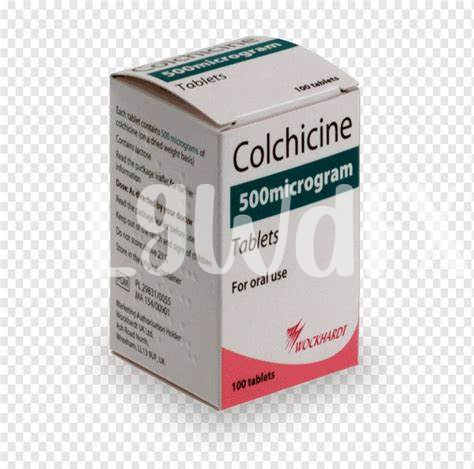
Clinicians should weigh benefits against adverse effects when prescribing colchicine for cardiovascular prevention. Gastrointestinal upset is common but usually manageable.
Renal and hepatic function guide dose adjustments; elderly patients often need lower doses and careful follow up to avoid accumulation.
Colchicine interacts with CYP3A4 and P-glycoprotein inhibitors, increasing toxicity risk when combined with certain antibiotics or antifungals; vigilance is essential.
Routine blood counts and liver tests during therapy catch rare myopathy or cytopenias early. Patient education about symptoms fosters adherence and safer outcomes with prompt reporting encouraged for individualized care.
Cost Effectiveness and Accessibility Across Healthcare Systems
Practicing clinicians and patients alike are discovering that low-dose colchicine offers an affordable adjunct to established preventive therapies. Randomized trials and meta-analyses show modest absolute risk reductions that can translate into meaningful population-level benefits, especially where generic colchicine is widely available. Budget impact models suggest low per-patient drug costs with potential savings from avoided hospitalizations, although uptake varies by reimbursement policies and prescribing habits.
Real-world barriers remain: supply chain constraints, variable formulary coverage and clinician familiarity can limit use in resource-limited settings. Simple cost-comparison examples below illustrate disparities.
| Setting | Approx. annual drug cost |
|---|---|
| High-income | $50–200 |
| Low-income | $5–20 |
Future Directions Personalized Therapy and Ongoing Research
Medicine is increasingly moving from one-size-fits-all prescriptions toward precision approaches, and low-dose colchicine is ripe for this transition. Integrating inflammatory biomarkers, genetic variants, and advanced imaging could identify patients most likely to benefit while minimizing harm. Early phenotyping efforts suggest clear subgroups with differential risk–benefit profiles.
Several adaptive trials and large registries are now testing tailored dosing, biomarker-guided initiation, and combination regimens with statins or antithrombotics. Mechanistic studies are probing neutrophil activity, NLRP3 modulation, and pharmacogenomic predictors of metabolism and toxicity. These concurrent streams aim to align efficacy signals with real-world safety.
Implementation will require pragmatic trials, cost-effectiveness modeling, and robust pharmacovigilance, plus clinician education and patient-centered decision tools. Digital platforms and point-of-care assays could enable rapid stratification. Ultimately, a synthesis of evidence, economics, and equity will determine whether tailored low-dose colchicine reshapes cardiovascular prevention with inclusive international cohorts worldwide.